


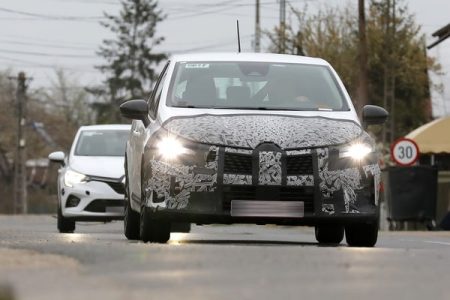
The Renault Clio is up for a mid-lifecycle update since the fifth-generation model is already four years old. The car has been snapped testing in France.
While some rivals like the Ford Fiesta are being discontinued, Renault wants to keep the Clio alive at least for a few more years, competing with the soon-to-be-facelifted Peugeot 208 best-seller, the Toyota Yaris, and the VW Polo. Thus, the facelifted Clio will be sold in parallel with the upcoming Renault 5 EV.
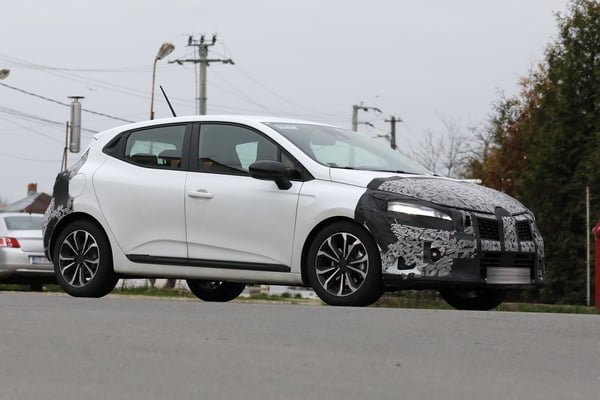
Though hidden under thick camouflage in these spy shots, the highlight of the facelifted model is the new boomerang-shaped LED fangs on the front bumper, which look similar to the styling language by rival Stellantis brands Peugeot and DS. This shouldn’t come as a surprise, since Renault’s design boss Gilles Vidal, spent the past decade as head of design at Peugeot. Still, Renault’s approach is slightly different, with thicker DRLs below the aggressive headlights being an evolution of the theme first shown in the Scenic E-Tech concept. Other changes include a simpler grille with the new Renault emblem, and the omission of side bumper intakes.
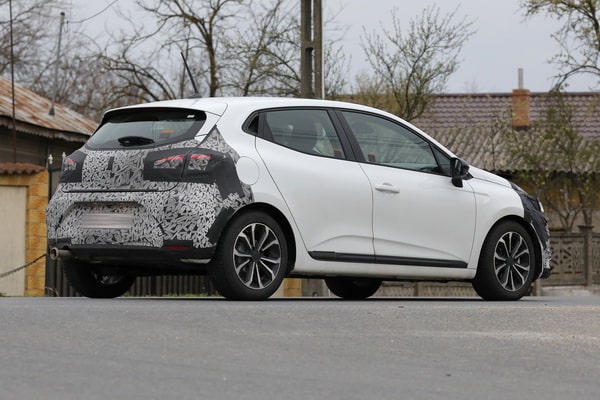
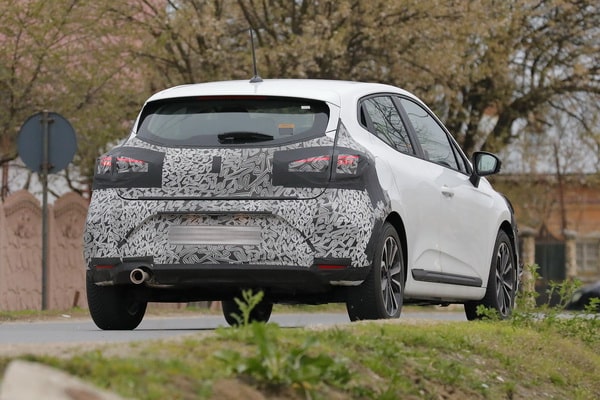
As for the rear end, we expect it to gain slimmer and more elongated LED taillights, as in other Renault models. This will allow it to differentiate from the previous fourth-gen Clio which looked very similar to the current fifth-gen model.
Since this is only a facelift, we don’t expect radical updates inside the cabin. Thus, the Clio will likely retain its digital cockpit and not adopt the newer OpenR setup found in the Megane E-Tech and the Austral. However, the 9.3-inch touchscreen and 10.2-inch digital instrument cluster which are found in higher trims of the Clio could roll down to more variants, while benefiting from sharper graphics and new features thanks to the latest software.
The company will also add more Advanced Driver Assistance Systems (ADAS) into the mix, in order to be more competitive with newer rivals and retain a high score in EuroNCAP. The latter has gotten a lot more difficult for automakers, as the protocols have changed, requiring generous safety equipment.
The powertrain lineup of the Clio is not expected to change drastically, although the electrified versions will take a more important role. Renault is already offering a self-charging hybrid combining a naturally-aspirated 1.6-litre engine with two electric motors, a battery, and a sophisticated multi-clutch gearbox. This will be certainly carried over and possibly joined by the similar plug-in hybrid setup found in the mechanically-related Captur.
The entry-level models are also expected to retain the turbocharged 1.0-litre three-cylinder petrol engine which also comes in bi-fuel flavor compatible with LPG. There is a chance that the mild-hybrid 1.3 TCe petrol from the much larger Austral finds its way under the bonnet of the Clio, although nothing has been confirmed yet. The future of the 1.5-litre diesel is also uncertain, as it will be hard for Renault to make it compatible with the upcoming Euro 7 emission protocols.
In terms of chassis setup, the fifth-gen Renault Clio is known for offering one of the best balances between a sporty and comfortable ride, so engineers will likely improve on the same recipe. For those longing for a hot hatch variant, the discontinued R.S. won’t come back anytime soon. After all, Renault Sport has given way to the Alpine, which is focused on launching a fully electric hot hatch based on the upcoming R5. What could happen though is a sporty-looking Alpine-badged trim of the Clio, that could replace the current R.S. Line range-topper.
The facelifted Renault Clio is expected to hit showrooms in the summer.

AUTOMEDIA



















No comment yet, add your voice below!